Preventing Online Fraud With VPNS: Protect Your Identity and Finances
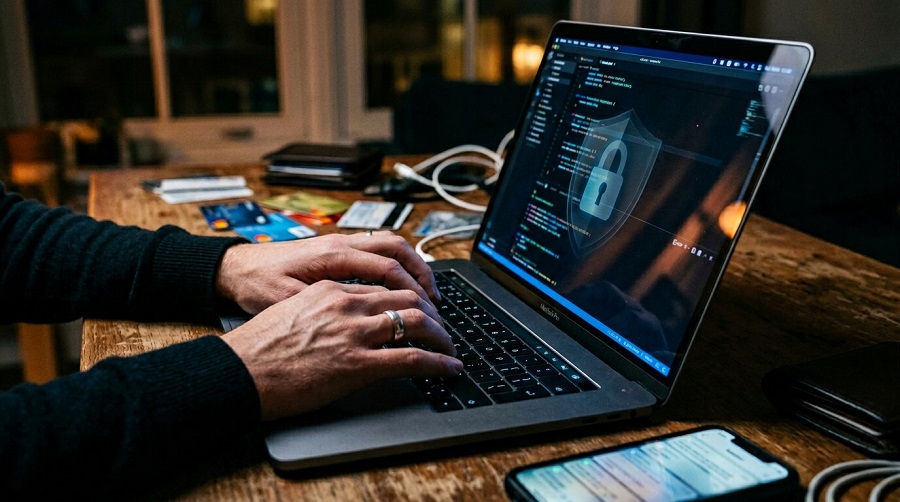
Online fraud isn't slowing down, and scammers are getting smarter. You're a target whether you're shopping on your phone, checking out at a favorite retailer, or just browsing on public Wi‑Fi. The threats are real, and the tactics are evolving fast. What you don't know about protecting yourself could cost you—your identity, your money, and your peace of mind.
Online Fraud Is Spiking: Here's Who Scammers Are Targeting
Online fraud is increasing, and scammers are refining how they select and approach targets. During the last holiday season, phishing attacks against shoppers rose by 46%, and reports of fake online stores increased by 110% in 2024. Mobile users are a key target, as 53% of holiday transactions took place on phones, where smaller screens and in-app browsing can make it harder to spot fraudulent sites or messages.
Certain groups face heightened risks. Older adults and job seekers using dating or professional platforms are often approached through trust-building schemes in which scammers spend time cultivating a relationship before asking for money or sensitive information. Investors are also targeted through fraudulent cryptocurrency platforms that display fabricated account balances and returns to encourage larger deposits.
The use of artificial intelligence has further complicated detection. AI tools can generate realistic audio and images that mimic friends, family members, or colleagues. These deepfakes are used to create a sense of urgency or familiarity, prompting victims to transfer funds or disclose account credentials under pretenses.
To reduce exposure to these threats, individuals can use a VPN to add an extra layer of security, particularly when browsing or transacting on public or unsecured networks. A VPN encrypts your connection, helping protect sensitive data from interception and making it harder for attackers to monitor your online activity. You can also check out VPNLove.me to learn more strategies for staying safe online and to explore some of the best VPN software available.
Phishing, Fake Sites, and Check Fraud Threatening Shoppers Now
Shoppers currently face significant risks from phishing, fraudulent websites, and check-related scams.
During the holiday season, phishing alerts increase by about 46% compared with the annual average, resulting in more fake delivery notifications and spoofed emails that appear to come from well-known retailers.
In 2024, the number of fake online stores was reported to have risen by approximately 110%. Many of these sites use AI-generated images and copied brand layouts to capture payment information or install malicious software on users’ devices.
In addition, some coupon and discount websites are designed to closely resemble legitimate services while collecting sensitive financial data and deploying hidden tracking tools.
Check fraud schemes often begin with small, seemingly successful transactions to build trust and encourage larger payments. Once a criminal obtains an image of a check, that image can be reused to create multiple unauthorized deposits, increasing the potential impact on a victim’s account.
How a VPN Encrypts Your Passwords, Payments, and Checkout Data
When you connect to a VPN, it encrypts your passwords and payment details using established algorithms such as AES-256 or ChaCha20, converting that information into ciphertext before it leaves your device. On public Wi‑Fi, this helps protect against packet sniffing because the VPN routes your traffic through an encrypted tunnel that's difficult for third parties to inspect.
The VPN also masks your IP address, which can reduce location-based profiling of your browsing and shopping behavior. Many VPN applications offer additional features such as a kill switch and DNS leak protection, which are designed to prevent data from being transmitted outside the encrypted tunnel if the VPN connection fails.
However, a VPN doesn't validate the authenticity or security practices of online merchants. It's still important to ensure that the website uses HTTPS and to shop only on sites you consider trustworthy.
How Hackers Steal Your Data on Unsecured Wi-Fi
Understanding how a VPN protects your data is only part of the picture; it's also important to recognize common threats on unsecured networks. On open public Wi-Fi, attackers can use packet sniffing tools to monitor unencrypted traffic and potentially capture login credentials or payment details as they're transmitted. They may also set up fraudulent access points with names similar to legitimate networks, such as "Airport_WiFi_Free," to encourage users to connect. Once connected, attackers can attempt to intercept session cookies or other authentication data that may enable account access.
When websites or apps rely on unencrypted HTTP rather than HTTPS, attackers are better positioned to view or modify the data in transit. In such cases, they may be able to steal authentication tokens, hijack active sessions, or alter web content, for example by injecting malicious scripts.
These risks become more relevant during periods of increased online activity, such as holidays, when more users are conducting financial transactions or logging into accounts from mobile devices on public networks.
The Riskiest Places to Shop Online Without a VPN
Certain locations present higher risks for online shopping without a VPN due to how their networks are configured and used.
Public Wi-Fi in airports often includes unsecured or spoofed “free Wi-Fi” networks created to intercept traffic, including payment details. Café networks are frequently open or use weak encryption, which can make it easier for an attacker on the same network to monitor or hijack sessions.
Hotel Wi-Fi is typically shared by many guests and may lack proper network isolation, increasing the chance that someone else on the network could capture sensitive data. Networks in transit hubs and on trains can be poorly secured or misconfigured, making traffic analysis and interception more feasible.
At large events such as conferences or festivals, attackers may set up networks with names similar to legitimate ones to encourage users to connect and then collect their data. In all of these environments, using a VPN reduces exposure by encrypting traffic between your device and the VPN server, making it more difficult for others on the local network to read or tamper with your information.
How Scammers Use AI and Impersonation to Steal From You
Unsecured networks increase risk, but many current scams no longer depend on them. Instead, they exploit trust and psychological pressure. Advances in artificial intelligence make it easier to create convincing deepfake audio and video that imitate family members, colleagues, or supervisors and urge the victim to transfer money quickly. Phishing emails can now be tailored using information gathered from social media profiles, making them appear more credible and relevant to the recipient.
Scammers also use messages that appear to come from banks, government agencies, or other institutions to prompt disclosure of account details, passwords, or one-time codes. These messages may refer to supposed account problems, legal issues, or payment obligations, creating urgency to bypass normal caution. Romance and business email compromise scams often involve longer-term communication, where the scammer gradually builds rapport before requesting funds or sensitive information.
Attack volumes tend to increase around holidays and major events, when people are more likely to be distracted, travel frequently, and share details about their plans and locations online. Publicly available personal information, including posts about travel or purchases, can help scammers select targets, tailor their approach, and choose moments when victims may be less vigilant.
Why Strong Passwords and MFA Make Your VPN Even More Effective
While a VPN encrypts your traffic and masks your connection, it can't protect you if an attacker already has your login credentials. Use long, unique passphrases—at least 12 characters, combining multiple words with symbols or numbers—and store them in a reputable password manager.
Avoid reusing passwords across different accounts, particularly for email, financial services, and VPN accounts, because compromised credentials are often tested against many other services.
Enable multi-factor authentication (MFA) wherever possible, preferably using FIDO2/passkeys or time-based one-time codes, to add a second layer of verification. This significantly reduces the risk of account takeover, even if a password is exposed.
Also enable MFA and a kill switch on your VPN service itself. If your VPN account credentials are compromised, an attacker may gain access to your tunneled traffic and configuration, so applying these controls directly to the VPN account provides an additional layer of protection.
How to Choose a VPN That Actually Protects You
Not all VPNs provide the same level of protection, so it's important to understand the key features before choosing a service. Look for a provider with a strict no-logs policy that has been independently audited by reputable firms such as PwC, Deloitte, or Cure53, and review the audit reports where available. Prefer VPNs that support modern, well-regarded protocols like WireGuard or OpenVPN and use strong encryption standards such as AES-256 or ChaCha20. Essential security features include DNS leak protection and a kill switch, which help prevent data exposure if the VPN connection fails.
Jurisdiction can also affect privacy. Some users may prefer VPNs based in countries outside the 5/9/14-Eyes intelligence-sharing alliances, such as Switzerland or Panama, as these locations may offer stronger privacy protections, depending on local laws. To assess performance, consult independent speed tests to check that the service doesn't significantly reduce your connection speed.
Finally, verify that the VPN supports the platforms you use, allows enough simultaneous connections for your devices, offers clear and transparent pricing, and provides a trial period or a money-back guarantee (for example, 30 days) so you can evaluate the service before making a long-term commitment.
Red Flags That Expose a Fake Site or Scam Deal
Choosing a trustworthy VPN is only one aspect of staying safe online — it's also important to recognize fraudulent sites that attempt to capture your data or money before a VPN can offer meaningful protection.
Pay close attention to the website address (URL) and watch for misspellings, added characters or words, and unusual domain endings (for example, a well-known brand using “.net” instead of its usual “.com”).
Be cautious of sites that use aggressive sales tactics, such as extremely large discounts combined with countdown timers, as these can be associated with deceptive or malicious offers.
Always check for HTTPS (a padlock icon in the address bar and a URL starting with “https://”) before entering payment or other sensitive information.
Look for independent reviews from reputable sources and confirm that the site provides clear and verifiable contact details.
Indicators such as poor grammar, low-quality or mismatched logos, and generic or inconsistent product images can also suggest that a site may be a phishing page or a low-quality, potentially fraudulent storefront.
Conclusion
Online fraud is evolving fast, but you don't have to be an easy target. By using a trusted VPN, creating strong, unique passwords, enabling MFA, and verifying every site before you share payment details, you're building a real defense against scammers. Don't wait until your identity or finances are compromised—take these steps now and shop with confidence knowing your sensitive data stays protected wherever you connect.